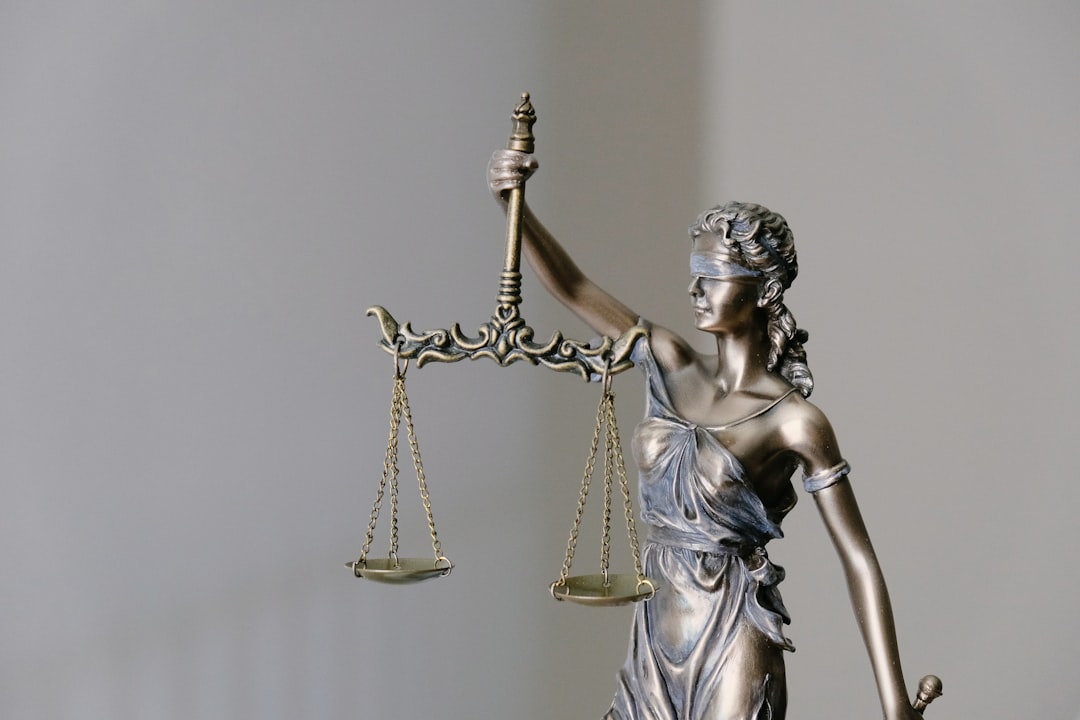
Child abuse is a pervasive and devastating issue, impacting countless lives across Rhode Island. The need for specialized legal representation to navigate these complex cases is undeniable. This article delves into the critical role of a Rhode Island attorney focused on child abuse litigation—a true advocate for justice and healing.
The problem of child abuse extends beyond legal confines, requiring an expert who understands its far-reaching consequences. We explore how a dedicated child abuse lawyer in Rhode Island can provide much-needed support, ensuring that victims and their families receive the rights and resources they deserve. By examining real-world cases and current legal landscapes, we offer valuable insights into this specialized practice area.
Understanding Child Abuse: Recognizing Signs and Legal Protections

Understanding child abuse is a complex yet critical task for any concerned individual or professional, especially those in legal fields, as it involves recognizing subtle signs and knowing the legal protections available to victims. A Rhode Island child abuse lawyer is well-versed in these matters and can offer invaluable guidance. Child abuse takes various forms, including physical, emotional, sexual, and neglect, each leaving distinct yet often overlapping marks on a child’s well-being. Recognizing these indicators requires keen observation and an understanding of typical childhood behaviors versus abusive practices. For instance, while minor scrapes and bruises might be accidental, frequent or unexplained injuries could signal physical abuse. Emotional signs may include extreme anxiety, depression, or aggressive behavior, which could indicate emotional neglect or trauma.
Legal protections for child abuse victims are in place to ensure their safety and well-being. In Rhode Island, these laws are designed to deter abusers and provide support systems for survivors. A qualified child abuse lawyer can help navigate these legal protections, ensuring that children receive the necessary services and that perpetrators face consequences. For example, the state has strict guidelines regarding reporting suspected abuse, with mandatory reporting requirements for certain professionals, including lawyers, who may come across such cases. These laws are continually updated to reflect the latest research and best practices in child protection, emphasizing the state’s commitment to addressing this critical issue.
Actionable advice for recognizing potential child abuse includes paying close attention to changes in a child’s behavior or appearance. If a child exhibits extreme fear of certain places or people, displays unusual aggression, or shows sudden withdrawal from social activities, it could be indicative of an abusive situation. Keeping open lines of communication with children and fostering an environment where they feel comfortable discussing their experiences is vital. Any concerns should be reported to the appropriate authorities, who will involve child protective services to conduct a thorough investigation. By staying informed and proactive, individuals can contribute to creating a safer environment for Rhode Island’s young people.
The Role of a Rhode Island Child Abuse Lawyer: Navigating Legal Systems

A Rhode Island child abuse lawyer plays a pivotal role in navigating complex legal systems to protect vulnerable children and hold accountable those who inflict harm. These attorneys possess an in-depth understanding of state laws, regulations, and procedures specific to child abuse cases. They are well-versed in identifying evidence, gathering testimony, and constructing compelling legal arguments to ensure justice for victims.
One of the critical tasks a child abuse lawyer in Rhode Island undertakes is filing protective orders against alleged abusers. These orders aim to remove children from dangerous situations and prevent further abuse. Legal professionals also collaborate with law enforcement, social services, and medical professionals to create comprehensive safety plans tailored to each case’s unique circumstances. Moreover, they represent victims during criminal proceedings, advocating for charges that carry significant consequences to deter future crimes.
Statistics reveal a growing need for these specialized attorneys. According to recent data, Rhode Island has seen an increase in reported child abuse cases, emphasizing the importance of skilled legal representation. A well-versed child abuse lawyer can navigate these intricate systems effectively, ensuring victims receive the support and justice they deserve. They are instrumental in strengthening Rhode Island’s response to child abuse, contributing to a safer environment for all children.
Building a Strong Case: Evidence, Expert Witnesses, and Court Procedures

Building a strong case in child abuse cases requires meticulous attention to detail, robust evidence, and expert strategic planning. Rhode Island attorneys specializing in this field know that every piece of information—from medical records to eyewitness testimonies—carries weight. A child abuse lawyer in Rhode Island will meticulously gather and analyze these elements, ensuring they paint a clear and compelling picture of the harm inflicted upon the victim. For instance, medical evidence can reveal physical injuries consistent with abuse, while expert witnesses like pediatricians or psychologists can offer professional insights into the trauma’s impact.
Court procedures play a crucial role in navigating these complex cases. The attorney must be adept at understanding and adhering to legal protocols, ensuring all motions, objections, and submissions are filed correctly and within stipulated deadlines. In Rhode Island, this includes familiarity with local laws and regulations governing child protection and evidence admissibility. A strategic approach involves presenting evidence in a logical sequence, addressing potential defenses, and leveraging the expertise of allied professionals to strengthen the case.
Furthermore, effective communication between the attorney, victim (if capable), and other involved parties is essential. This collaborative effort can lead to crucial insights and evidence. For example, a child abuse lawyer may facilitate therapy sessions to help victims express their experiences, providing valuable testimony. However, handling such sensitive cases also demands a high level of discretion and ethical conduct, ensuring the privacy and well-being of the victim throughout the process.
Supporting Survivors: Advocacy, Resources, and Long-Term Care for Children

Supporting survivors of child abuse is a multifaceted challenge requiring not just legal acumen but also a deep understanding of the psychological and social dynamics at play. A Rhode Island child abuse lawyer plays a pivotal role in this process, offering advocacy, resources, and long-term care tailored to the unique needs of each child. Advocacy begins with ensuring that victims have access to safe, immediate protection from further harm. This often involves navigating complex legal systems to obtain emergency custody orders or protective restrictions against abusers.
Resources are another critical component. Legal professionals can connect survivors with specialized support services such as counseling, medical care, and education programs designed to address the trauma of abuse. For instance, a child abuse lawyer in Rhode Island might facilitate access to therapeutic interventions like play therapy for younger victims or individual and group counseling for older children and adolescents. Data from local organizations underscores the need for these services: [Insert relevant data on child abuse cases and resources in RI, if available].
Long-term care is equally essential. Survivors may face ongoing challenges related to trust, attachment, academic performance, and social integration. A skilled attorney can help navigate these issues by supporting referrals to specialized aftercare programs, advocating for accommodations at schools, and guiding survivors through the legal processes involved in civil lawsuits against perpetrators or institutions responsible for neglect. The ultimate goal is not just justice but also healing and the empowerment of survivors to rebuild their lives free from the shadow of abuse.